Dirt Relocation in Atlanta, GA
Dirt relocation services involve the moving, leveling, and redistribution of soil and earth materials on residential properties. These services are commonly used for projects such as landscaping, grading for proper drainage, preparing a yard for new construction, or creating flat surfaces for patios, lawns, or driveways. Property owners typically seek dirt relocation to improve the overall appearance of their outdoor spaces, address drainage issues, or prepare land for planting and other outdoor improvements.
Before requesting dirt relocation, homeowners should consider the scope of their project, including the amount of earth to be moved and the desired final grade or level. It’s helpful to understand the type of soil on the property, any existing underground utilities, and local regulations that may impact excavation or earth-moving activities. Clear communication about these details can ensure the project meets expectations and proceeds smoothly.
Many property owners in Atlanta, GA look into Dirt Relocation for repairs, replacements, upgrades, and appearance-related improvements.
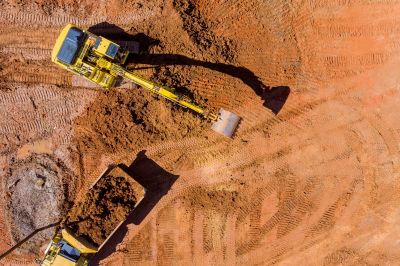
Site Preparation And Grading
Proper dirt relocation prepares land for construction, landscaping, or drainage improvements.
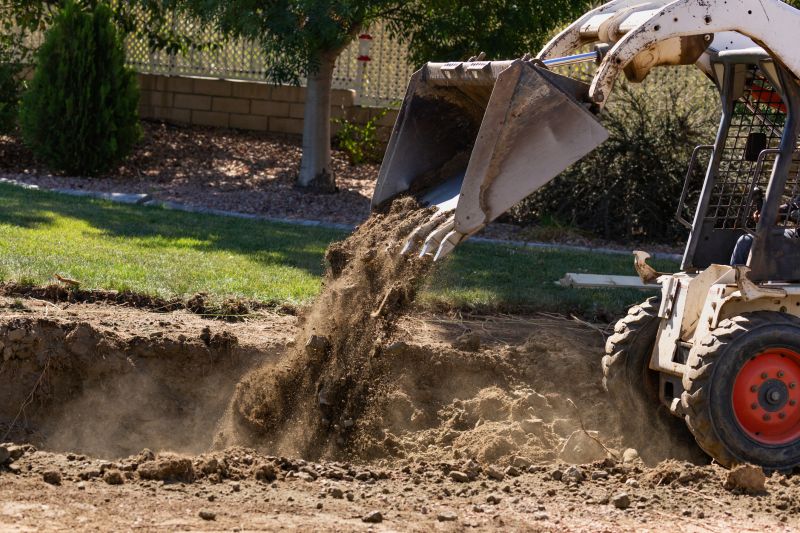
Landscaping And Garden Projects
Adjusting soil levels helps create ideal conditions for planting and garden designs around atlanta homes.
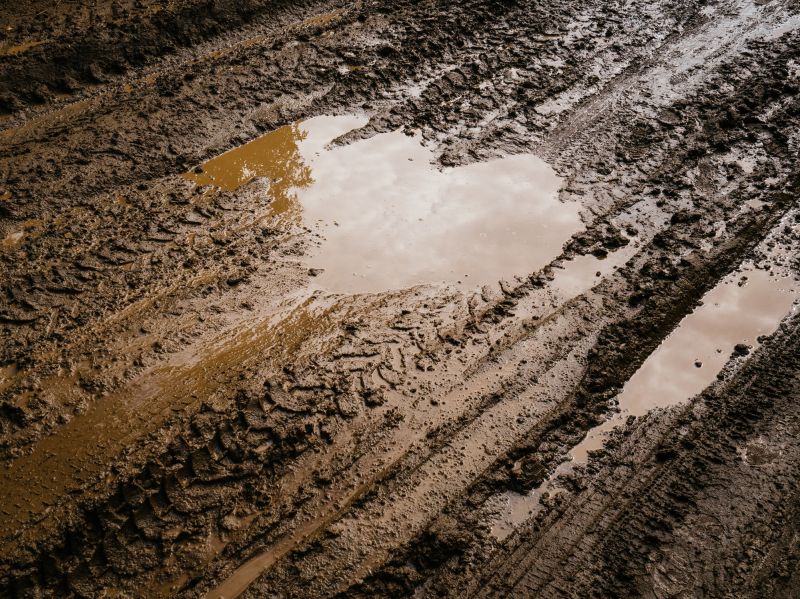
Erosion Control And Drainage Solutions
Relocating dirt can improve water flow and reduce erosion on residential properties in the area.
Dirt Relocation in Atlanta, GA

Dirt relocation services involve the moving, leveling, and redistribution of soil and earth materials on residential properties. These services are commonly used for projects such as landscaping, grading for proper drainage, preparing a yard for new construction, or creating flat surfaces for patios, lawns, or driveways. Property owners typically seek dirt relocation to improve the overall appearance of their outdoor spaces, address drainage issues, or prepare land for planting and other outdoor improvements.
Before requesting dirt relocation, homeowners should consider the scope of their project, including the amount of earth to be moved and the desired final grade or level. It’s helpful to understand the type of soil on the property, any existing underground utilities, and local regulations that may impact excavation or earth-moving activities. Clear communication about these details can ensure the project meets expectations and proceeds smoothly.
Many property owners in Atlanta, GA look into Dirt Relocation for repairs, replacements, upgrades, and appearance-related improvements.
Common Dirt Relocation Jobs
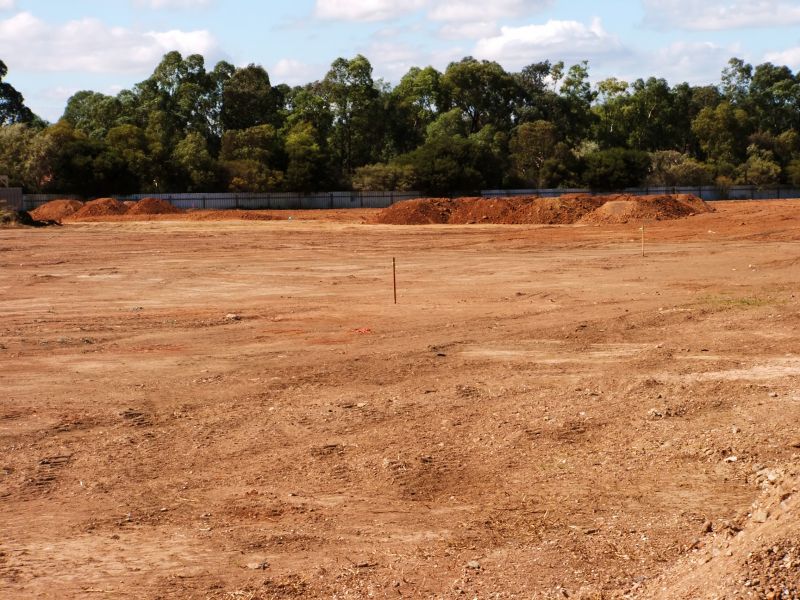
Site leveling - adjusting soil elevation to create a stable foundation for landscaping or construction projects.
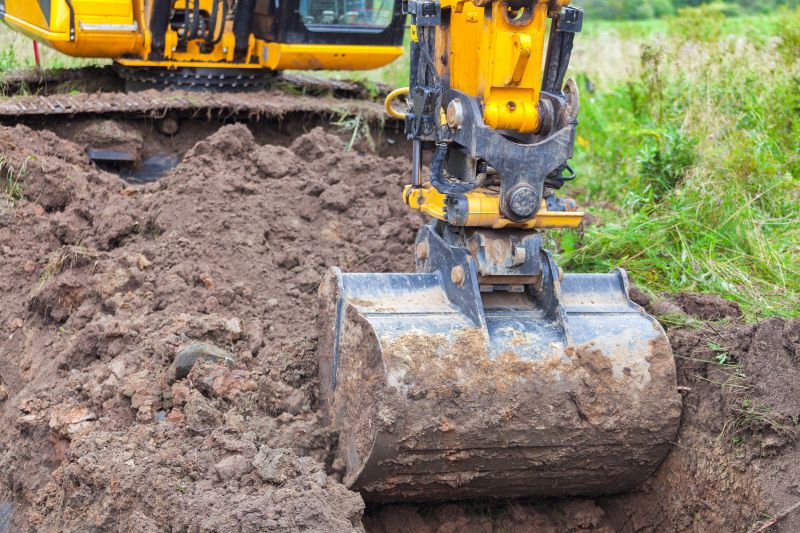
Excavation services - removing unwanted dirt or debris to prepare land for building or garden installation.
Grading work - shaping and sloping soil to improve drainage and prevent water pooling on the property.
Dirt hauling - transporting excess soil away from the site to clear space for new landscaping or construction.
Backfill services - filling in trenches or holes after installation or repair work to restore the landscape.
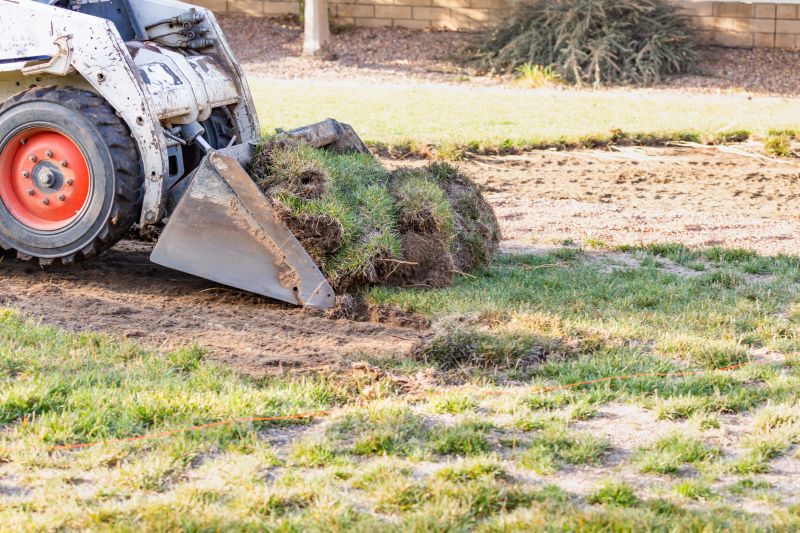
Land clearing - removing brush, trees, and debris to prepare the area for development or landscaping projects.
Dirt Relocation Questions
What types of projects require dirt relocation services? Dirt relocation is often needed for grading, landscaping, foundation adjustments, or preparing a site for construction.
How does dirt relocation benefit property drainage? Properly moved and graded dirt can improve water runoff and reduce pooling issues on the property.
Is dirt relocation suitable for large or small areas? The service can be tailored to both small landscaping projects and larger site preparations.
What should property owners consider before requesting dirt relocation? It's important to assess the scope of the project and any local regulations related to soil movement.
Request Dirt Relocation in Atlanta, GA
Use the quote form on this page to share the basics of your project and request more information for the type of work you need.